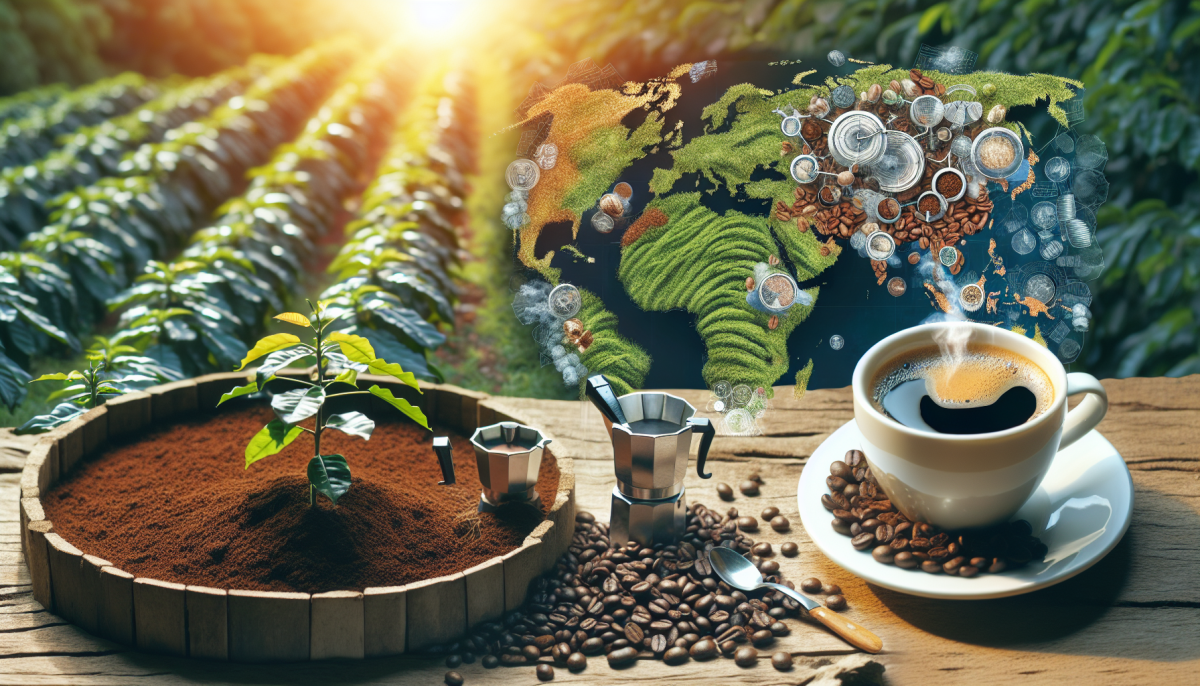
Coffee starts its journey as a simple bean. They come from coffee plants, mainly found in tropical regions. The two most popular beans are Arabica and Robusta. Arabica beans are known for their smooth, rich flavor, while Robusta tends to be stronger and has a bit more kick. Choosing the right bean really sets the stage for the whole coffee experience.
Once the beans are harvested, they go through a process called roasting. This is where the magic happens. Roasting brings out the essential oils and flavors locked inside the beans. Light roasts are fruity and mild; dark roasts are bold and robust. The choice of roast really alters how your coffee will taste in that cup.
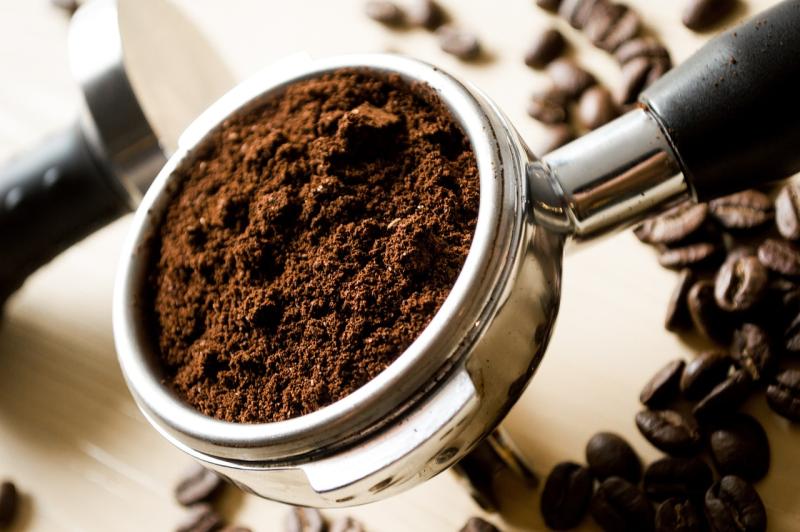
After roasting, beans need to be ground before brewing. The grind size can totally change your drink. A fine grind is perfect for espresso, while a coarser grind works best for French press. Get this part right, and you’ll enjoy a fantastic brew that suits your taste.
Then comes brewing! Different methods create different flavors. Whether you prefer a classic drip coffee maker, a French press, or a trendy pour-over, each method adds its own twist to your favorite beans. Finding your ideal brewing method can be a fun little journey all on its own!
Coffee's Impact on Culture
Coffee isn’t just a drink; it’s a cultural phenomenon! From bustling cafés in Paris to cozy corners in London, coffee brings people together. Think about it – when you grab a cup with friends or colleagues, you’re engaging in a social ritual that has roots in history.
Since its discovery, coffee has influenced countless cultures worldwide. In the Middle East, coffee houses became places for conversation, music, and debate, often referred to as "schools of the wise." People gathered to discuss everything from politics to poetry over a steaming cup. It was a common sight to see folks deep in discussion, united by their love for coffee.
In Italy, espresso culture was born, creating a fast-paced, high-energy coffee experience that influenced café culture globally. The simple act of enjoying an espresso shot became a quick social moment in a busy day. And let’s not forget the British love for afternoon coffee – the perfect pick-me-up during a dreary day!
In modern times, coffee shops have evolved into community hubs. Many folks find their daily grind (literally!) happens in these cozy spots. Whether it’s studying, catching up with friends, or even working remotely, coffee shops provide a welcoming atmosphere that encourages creativity and connection. Coffee truly has become an essential part of daily life, blending flavors, cultures, and conversations all over the globe.
The Rise of Cafés
Cafés have transformed from simple coffee houses into vibrant social hubs over the years. In the beginning, people enjoyed coffee mostly at home or in small gatherings. But as the demand for coffee grew, so did the need for spaces where folks could relax and chat over a cup. Enter the café: a cozy spot where the aroma of freshly brewed coffee fills the air, and conversations flow as freely as the drinks.
With the rise of the café culture, cities found themselves bursting with stylish shops, each with its own unique vibe. From trendy modern spots with artisanal brews to charming, vintage-style cafes with comfy seating, there’s something for everyone. You can grab a quick espresso on your way to work or settle in for a lazy afternoon with a book and a latte. Cafés became more than just places to get a caffeine fix; they evolved into gathering places for friends, workers, and creative minds.
Technology also played a big role in the café boom. The internet made it easy to work remotely, and many people flocked to coffee shops to set up their laptops. These spots turned into makeshift offices, where freelancers and students could sip their drinks while getting things done in a lively atmosphere. Plus, free Wi-Fi? That’s a game-changer.
Today, cafés serve a variety of purposes. They host local art shows, live music, and community events, bringing people together in a way that few other places can. This blend of coffee and culture has made cafés an essential part of our daily lives, turning a simple beverage into an experience. Next time you’re at your favorite local café, take a moment to appreciate the role it plays in shaping social connections and driving the coffee revolution forward.
Brewing Innovations Through the Ages
Let’s take a stroll through history and see how coffee brewing has changed over the years. It all started way back in the 15th century in Yemen. People brewed coffee from roasted beans, enjoying the unique flavor and the kick of energy it provided. It quickly became a social drink, sparking conversations in bustling coffee houses.
By the 17th century, coffee made its way to Europe and became a trendy beverage. The invention of the coffee pot made the brewing process much easier. Suddenly, everyone wanted to sip on a hot cup of coffee while chatting with friends or discussing the latest news. The drink didn’t just fuel conversations; it fueled the rise of coffee houses, which became hubs for intellectual exchange.
In the 19th century, things got even more exciting. The invention of espresso machines in Italy allowed coffee lovers to enjoy a rich and concentrated shot of caffeine. This innovation changed the game, introducing coffee as a staple in cafes worldwide. Now you could get a quick pick-me-up on the go!
Fast forward to today, and we've got an amazing variety of brewing methods. From pour-over to French press to cold brew, there's something for everyone. Home brewing has become an art, with enthusiasts experimenting with different beans and techniques. The love for coffee continues to grow, proving that no matter the method, it's all about that perfect cup.